|
OUR SITE USES FRAMES TO ACHIEVE A NOSTALGIC LOOK – IF
YOU CANNOT SEE A MENU TO THE LEFT OF THIS PAGE, PLEASE CLICK ON THE ‘HOME’
BUTTON ABOVE
|



|
MARTINS BANK AT YOUR SERVICE – FOREIGN
EXCHANGE & TRAVEL |
|
The
provision of international services in branch banking comes full circle. At
Martins Bank it begins with a select few offices whose work seems almost
secretive to those who do not work in them (see “Foreign to You “article
below). The service rolls out to all
branches through the provision of currency and travellers’ cheques, and in
the twenty-first century it has largely disappeared, with currency shops
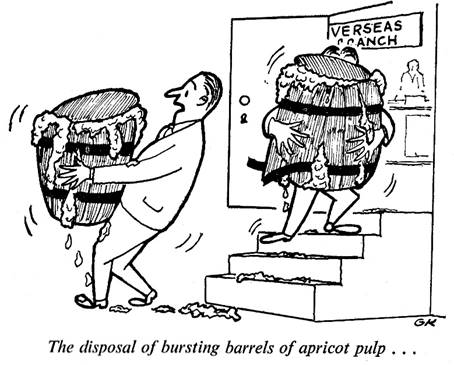
widely found on high streets and in supermarkets. To say that the Bank operates “OVERSEAS BRANCHES” is perhaps a little misleading, as it implies some kind of network of offices
abroad. |
WHY NOT ALSO VISIT THESE
FEATURE PAGES |
|
||||||||||||||||||||||||||||||
|
|
|
|
||||||||||||||||||||||||||||||
|
What it
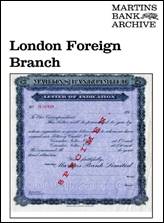
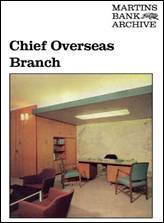
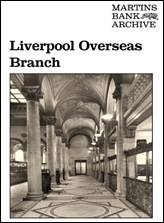
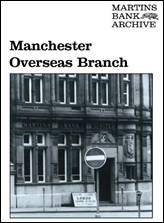
actually refers to, is three key branches in England that process
international payments, stocks and shares and securities, Martins’ Cross-Channel
Branch, which operates on the Dover to Calais sailings, and an office in
Paris which gathers statistical information on European and World trade and
reports directly to the Bank’s Information Department at Head Office in
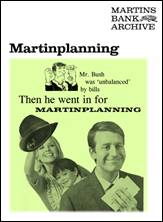
Liverpool. From 1966 Martinplanning is
rolled out as the way to save and plan for that trip of a lifetime. Alongside
the specialist provision of international trade and travel services in
Liverpool Manchester and London, every one of Martins Bank’s Branches and
sub-Branches is able to deal with the issue of foreign currency and travellers’ cheques to
holidaymakers and business travellers, and forty-one of them
are designated “SPECIAL FOREIGN BRANCHES” including the somewhat unlikely yet exotic
sounding “BRADFORD OVERSEAS”! Originally Martins Bank’s
three overseas offices were known as “Foreign” branches. Whilst they do much
more than simply handling travellers’ cheques, it is worth noting that the
payment of these cheques is the first and only part of Martins clearings to be
fully automated and handled by computer.
The work of the Overseas Branches is complex, varied and integral to
projecting and maintaining a good image of the Bank around the World…
|
||||||||||||||||||||||||||||||||
|
MARTINS BANK’S MAIN OVERSEAS
TRAVEL AND TRADE BRANCHES |
||||||||||||||||||||||||||||||||
|
|
||||||||||||||||||||||||||||||||
|
|
|
|
|
|
||||||||||||||||||||||||||||
|
But
it's quite simple; when I found I had signed it wrongly I tore it up.' Though
not quite the normal treatment to accord a Travellers' Cheque this was, in
fact, one of the many explanations offered last year in support of a refund
application. Over five million pounds worth of Travellers' Cheques were
issued in 1965, to say nothing of currency notes, but this formed only a
small part of the Bank's total overseas business, some of which could hardly
be termed 'banking'. We heard, for
example, of the appeal from a very worried customer whose daughter, living in
New York, had just advised her family that she was getting married in a few
days' time. Naturally they were anxious to know something of the prospective
bridegroom, and who better to turn to than the Bank ? Their fears were soon
dispelled by a cable from one of our banking friends in New York showing the
groom to be a 'good catch'. One of the most important functions of the
Overseas management is to foster close personal connections with our foreign
correspondents and to keep up to date with the ever changing political and
economic conditions throughout the world, thus providing current information
for the use of customers and important data when considering facilities for
overseas correspondents. Clearly it would be folly to grant excessive
facilities to a bank in a country whose economy is weak or whose government
is unstable, or to maintain large balances in, or stocks of notes of, a
country whose currency is likely to be devalued. Both situations call for appropriate
protective measures.
The
Overseas management make regular visits abroad and when visiting European
countries are accompanied by M. Francois Garelli, our Continental
Representative, whose office is in Paris and who keeps them in constant touch
with happenings on the Continent. To most of us the word 'work' may seem
inappropriate when talking of visits to such places as New York, Hong Kong,
Bermuda or Mexico City, but after seeing some of the itineraries and the
number of calls made we conceded that it might be justified. Before the trip
starts there is a lot of careful planning to be done: they do not launch
themselves Bond-like into the blue. Hotel reservations must be made; rail and
plane bookings, often entailing uncomfortable overnight travel, fixed;
appointments arranged; statistics and reciprocity figures studied. These
trips tend to follow a pattern averaging six or seven banking calls each day
in addition to other engagements. Discussions range over local conditions,
the political and economic climate, possible banking changes, local banking
practice, and our business relationship with the bank being visited. At the
end of the day reports on each of the visits must be completed for mailing
back home—that night if possible. Then there is
the diary to be written up and, thanks to the advent of 'drip-dry', the
laundry to be done. Mention
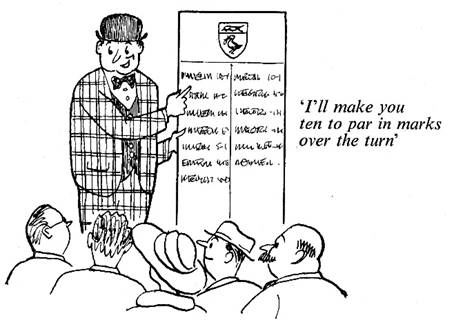
of 'Exchange Dealers' conjures up a vision of flashing lights, ringing
phones, clattering Telex machines and whirring calculators. We found this
picture of the dealers' room real enough and made more confusing by a
continual patter containing such unintelligible phrases as 'How would you
swop 10th August against 14th December in dollars?', 'We're looking for the
bid for a few six months cross', 'How do you deal in Paris over the weekend
?', and I’ll make you ten to par in marks over the turn'. We asked for the
translations and hope these will make
everything clear. 1.
A
request for a dealing rate in U.S. dollars against sterling, purchasing or
selling the early date against a counter deal in the longer date. 2.
An
indication that the dealers are potential sellers of Canadian dollars for delivery
in six months' time against U.S. dollars and would welcome a firm bid. 3.
An
enquiry as to how the market deals in French francs against sterling for
delivery on Friday against delivery on Monday. 4.
An
offer to deal in Deutsche Marks against sterling for delivery on the last day
of this month against the first day of next month at a rate of 1/10th
Pfennig to par. Underneath
the bustle and the jargon the dealers' smooth transactions total many
millions of pounds and play their part in maintaining London's position as
the major Foreign Exchange Market in the world. Although Exchange Control is
now less rigorous, 'Authorised Banks' are still heavily involved in its
administration. As well as authorising the more routine applications the
Overseas branches assist customers in preparing and submitting applicators to
be considered by the Bank of England. These may be fairly straightforward as,
for example, an application dealing with the purchase of a holiday villa in
Spain. But they may be more involved, concerned
perhaps with the giving of a guarantee in support of borrowing abroad by the
foreign subsidiary of a United Kingdom Company. In addition, the Overseas branches give a
considerable amount of advice and guidance to customers and branches on
Exchange Control matters in general, sometimes accompanying customers at
personal interviews at the Bank of England. Changes in Government policy such
as the imposition of
sanctions against Rhodesia can directly affect the work of the Overseas
branches and departments. Other changes, such as the import surcharge, have
an indirect effect through their influence on customers' business. All changes, however, bring their
quota of queries and calls for advice.
|
||||||||||||||||||||||||||||||||
|
|
||||||||||||||||||||||||||||||||
|
Going Away…
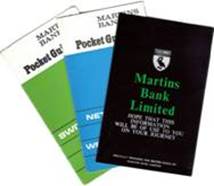
Going away couldn’t be easier with Martins
Bank! They have everything to help you,
from handy guides to your destination, to those all-important travellers
cheques to spend when you get there… Martins Bank’s specialist OVERSEAS BRANCHES at Liverpool, Manchester and
London are at your disposal, and the Bank’s INFORMATION
DEPARTMENT regularly
reviews and reports on business trends in a number of countries.
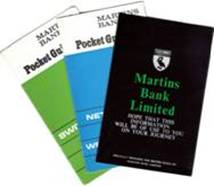
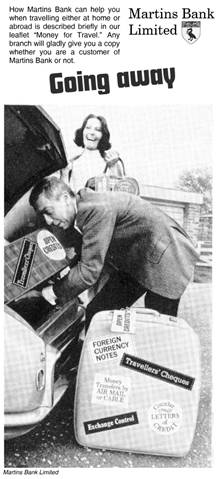
“How
Martins Bank can help you when travelling either at home or abroad, is
described briefly in our leaflet “Money for Travel”. Any branch will gladly give you a copy,
whether you are a customer of Martins Bank or not.”
Money for Travel… If you are thinking of travelling, either in this country or
abroad, there are many ways in which the financial services provided by
Martins Bank can help you. These services are described briefly in the following
notes, but any further details which you may require will be gladly
supplied at any of our branches. Where travel is outside the Scheduled
Territories please be guided by the information given in the paragraph on
Exchange Control. |
|
|||||||||||||||||||||||||||||||
|
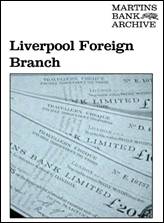
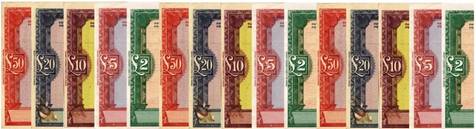
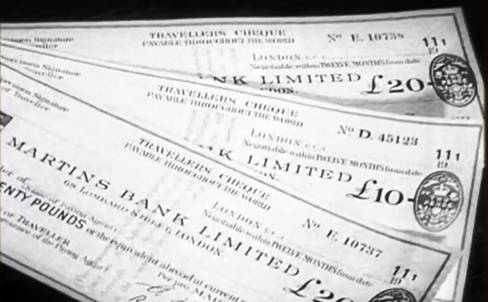
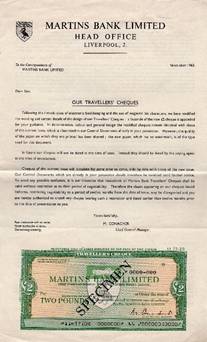
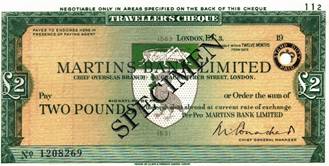
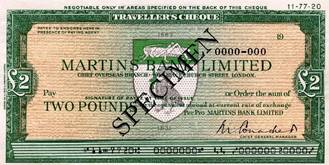
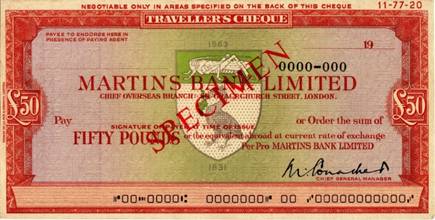
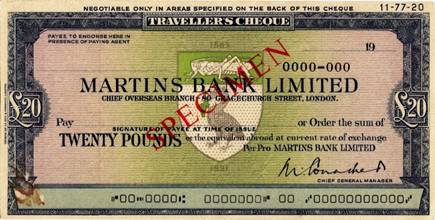
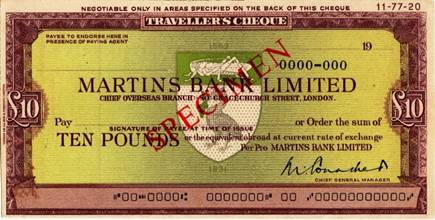
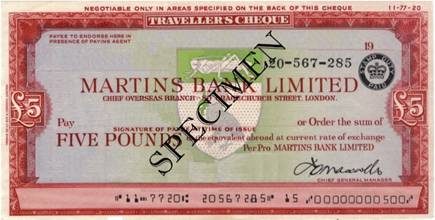
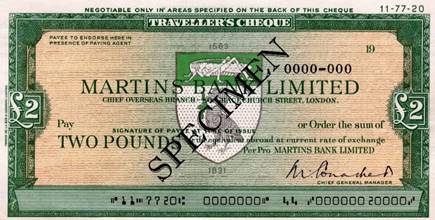
Travellers’ Cheques This is generally the safest and most convenient way of carrying money. Martins Bank
Travellers' Cheques are issued in units of
£2, £5, £10, £20 and £50, and if
they should be lost or stolen you can obtain a prompt refund of their value, subject only to your signing a simple form of
declaration. The cheques can be
encashed not only at the branches
of all the main banks in the British Isles but also in most places abroad,
and are Frequently accepted in
payment at hotels and stores and on ships. Foreign Currency
Travellers’ Cheques Travellers' Cheques expressed in certain foreign currencies and
issued by our correspondent banks abroad can be ordered, if required, through any branch of
Martins Bank. When travelling in the United States of America,
particularly in areas away from the main centres, it is advisable to take at least
a part of one's requirements in the form of Travellers' Cheques in
dollar denominations. Circular letters
of credit Circular Letters of Credit are issued by Martins Bank for amounts
of up to £2,000, and enable the holder to obtain funds as required
from any of our branches and from numerous appointed offices of other
banks at home and abroad. Open Credits An Open Credit is useful for anyone likely to stay for some time in
one place, since it provides for encashment of one's own cheques, up to
an agreed limit, at a particular office of Martins Bank or of
another bank at home or abroad. Transfers by Air
Mail or Cable The Bank can make arrangements by either air mail or cable for
funds to be paid over through a bank abroad to a particular person on
application and after identification. This is useful for travellers
already abroad who find themselves in urgent need of money. Foreign
Currencies When you go abroad it is wise to carry some foreign currency
with you in addition to any other means of payment which you may have. This will ensure
that" you can cover your immediate needs on arrival at your destination, particularly if
you are likely to arrive outside banking hours—it should be noted, for
example, that banks abroad, and especially in Europe, are often closed on
Saturdays. Most foreign
currencies are available in this country
and can be obtained through any
branch of our Bank. When such foreign
currency is being obtained, it is
advisable to ascertain from the branch concerned what restrictions, if any, are in force in respect of the import and export of currency for the countries to be visited. Exchange Control If you are going abroad and your destination is within the
Sterling Area (technically known as “the Scheduled Territories”), there
are no Exchange Control regulations which limit the amount of money
you may take, although there
is a limit to the total which may be taken
in the form or sterling or other
bank-notes. This restriction,
however, does not apply to the Isle of Man, the Channel Islands or the Irish Republic. For
journeys to countries outside the Sterling Area the amount of monev which you may take with you in any form is governed be Exchange Control regulations. These regulations, of
course, also govern the amount of
money which may be transferred to
you when you are abroad. The total
amount of money which anyone is permitted
to have when abroad will depend on the purpose and duration of the journey concerned, and information about the current regulations
will gladly be given to you at any branch of Martins Bank. You can obtain
the official leaflet “Notice to
Travellers” at the same time.
Martins
Bank Travellers Cheques…
Made by British Pathé with the
independent film maker Richard Massingham (pictured), who is responsible for
many popular quirky short instructional films, it reminds those about to
travel abroad that they must take the bulk of their money in travellers’ cheques,
and only five Pounds in Sterling
banknotes. In fact the cash itself
is really only meant to be taken with you in order that you will bring
it back again at the end of the holiday to meet any unexpected
financial needs at home! 1963: Electronic Book-keeping has
arrived…
There is also space for an
account number (the seven digit serial number of the cheque). A transaction code – 44 – will be used to
denote a Travellers’ Cheque. The cheques no longer bear evidence of Stamp
Duty paid, and they also become open-dated for the first time. Previously the
validity of the Cheques had to expire twelve months from the date of issue.
When you purchase your cheques, Martins’ friendly and helpful staff
will go to extremes to ensure that you are aware of the rules governing the
use of the cheques, and that you know just what to do in the event that
cheques are lost or stolen. So before
your journey starts, you should take a moment to remind yourself:
1.
Your cheques will be
issued in an attractive wallet. 2.
Please be sure to keep
your unused cheques in the wallet, as it also contains full instructions for
use. 3.
Please be sure to read
the Cautionary Notice - this is a step-by-step guide to using and looking
after your Travellers Cheques. 4.
Remember: As the cheques
themselves are as good as cash, you must treat them like any of your other
valuable personal property. 5.
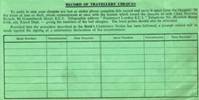
Don’t forget to record
the details of the cheques that you use – this will help you keep track of
your spending, and is of particular use to the Bank if the other cheques
become lost or stolen. 6.
This sheet also provides
a reminder of how to call Martins from abroad if such a problem arises. 7.
Intellectual Property Rights © Martins Bank Archive Collections 1988 to
date.
|
||||||||||||||||||||||||||||||||